
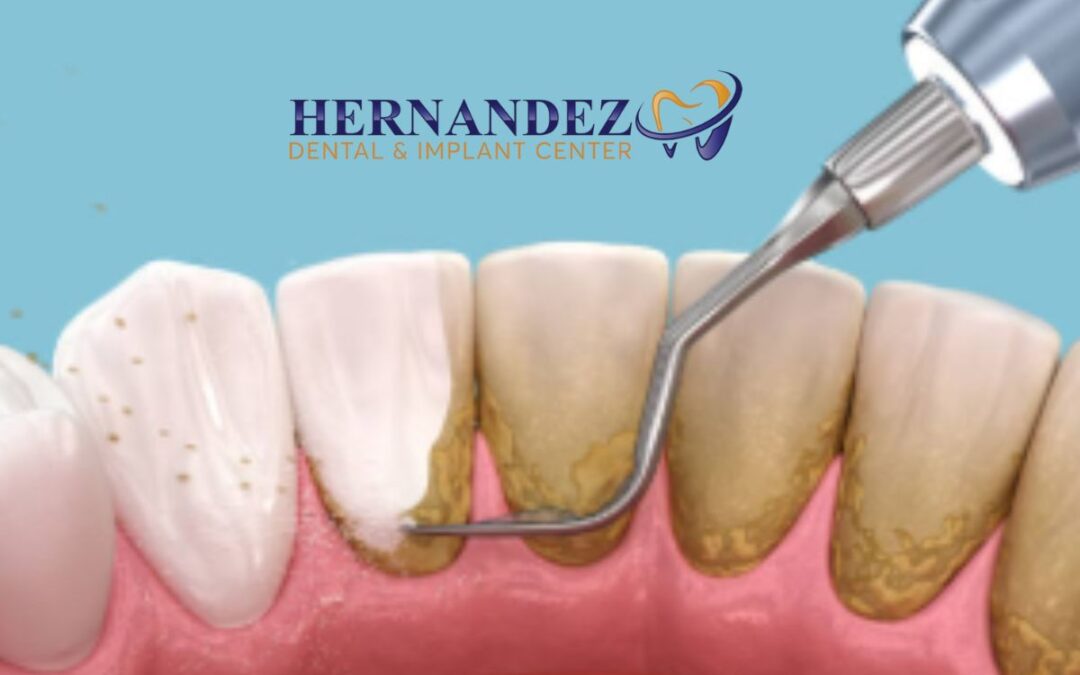
If you’ve ever felt a fuzzy coating on your teeth, you’ve experienced dental plaque. This sticky film forms on everyone’s teeth throughout the day, and understanding how to control it is essential for maintaining good oral health. While dental plaque is a natural occurrence, allowing it to build up can lead to serious dental problems.
Many people throughout San Antonio and beyond deal with plaque-related issues without realizing how easily preventable they are. Learning about dental plaque, what causes it, and how to remove it effectively empowers you to protect your teeth and gums. This comprehensive guide explains everything you need to know about dental plaque in clear, simple terms.
What Is Dental Plaque?
Dental plaque is a soft, sticky film of bacteria that constantly forms on your teeth. This colorless to pale yellow coating consists of bacteria, food particles, and proteins from your saliva. When you run your tongue over your teeth and feel a fuzzy texture, that’s plaque buildup.
Plaque forms naturally in everyone’s mouth, regardless of how well you care for your teeth. However, the amount that accumulates and how long it stays on your teeth makes all the difference. Moreover, if plaque isn’t removed regularly through proper oral hygiene, it hardens into tartar, also called calculus.
Tartar is a crusty deposit that forms along and below your gumline. Unlike soft plaque that you can remove at home, tartar is hard and tightly bonded to tooth enamel. Therefore, only a dental professional can remove it using special instruments during a cleaning.
How Dental Plaque Forms
Understanding how plaque develops helps you prevent excessive buildup. The process begins immediately after you eat or drink:
First, bacteria in your mouth feed on sugars and starches from food. As these bacteria consume these substances, they produce acids as a byproduct. These acids attack your tooth enamel, gradually weakening it over time.
Next, the bacteria, food particles, and acids combine with saliva proteins to form a sticky film. This film adheres to your teeth, particularly along the gumline and between teeth where your toothbrush might miss. Additionally, plaque forms most rapidly in hard-to-reach areas.
Within just four to twelve hours after brushing, plaque begins forming again. If left undisturbed for 24 to 72 hours, soft plaque starts hardening into tartar. Consequently, this is why dentists recommend brushing at least twice daily and flossing once daily.
Signs of Dental Plaque Buildup
Recognizing plaque buildup early allows you to address it before it causes damage. Watch for these common signs:
Your teeth feel fuzzy or rough when you run your tongue over them. This texture indicates plaque coating your tooth surfaces. Similarly, you might notice a film on your teeth, especially in the morning before brushing.
Bad breath that doesn’t improve after brushing often indicates significant plaque buildup. The bacteria in plaque produce foul-smelling compounds that cause persistent bad breath. Furthermore, if you notice bleeding when you brush or floss, this suggests plaque has irritated your gums.
Visible yellow or white deposits between your teeth or along your gumline indicate plaque or tartar accumulation. Additionally, red, swollen, or tender gums signal that plaque bacteria are causing inflammation.
Health Risks of Untreated Dental Plaque
Allowing plaque to accumulate leads to several serious dental and health problems:
Cavities
The acids produced by plaque bacteria erode tooth enamel. Over time, this erosion creates holes in your teeth called cavities. Without treatment, cavities grow larger and can reach the inner tooth, causing pain and infection.
Gingivitis
Plaque irritates your gums, causing them to become red, swollen, and prone to bleeding. This condition, called gingivitis, is the earliest stage of gum disease. Fortunately, gingivitis is reversible with improved oral hygiene and professional cleaning.
Periodontitis
If gingivitis goes untreated, it can progress to periodontitis, a serious gum infection. This advanced gum disease damages the soft tissue and bone supporting your teeth. Consequently, teeth may become loose or even fall out. Moreover, periodontitis requires extensive treatment to control.
Systemic Health Connections
Research increasingly shows links between oral bacteria and overall health. The bacteria from plaque can enter your bloodstream through inflamed gums. Studies suggest connections between gum disease and heart disease, diabetes complications, respiratory infections, and stroke risk. Therefore, controlling plaque benefits your entire body, not just your mouth.
How to Remove Dental Plaque at Home
Effective daily plaque removal is the foundation of good oral health:
Brush Properly Twice Daily
Use a soft-bristle toothbrush and fluoride toothpaste. Brush for at least two minutes, covering all tooth surfaces. Hold your brush at a 45-degree angle to your gumline, where plaque accumulates most. Additionally, replace your toothbrush every three to four months or when the bristles become frayed.
Electric toothbrushes can be more effective than manual brushing for many people. They provide consistent motion and often include timers to ensure you brush long enough.
Floss Once Daily
Flossing removes plaque from between teeth where your toothbrush cannot reach. This is crucial because nearly 40% of tooth surfaces are between teeth. Use gentle sawing motions to slide floss between teeth, then curve it around each tooth and move it up and down.
If traditional floss is difficult, try floss picks or water flossers. While water flossers don’t replace traditional floss completely, they help remove plaque and food particles effectively.
Use Antibacterial Mouthwash
Rinsing with an antibacterial mouthwash after brushing and flossing helps reduce bacteria that form plaque. Look for mouthwashes containing chlorhexidine, cetylpyridinium chloride, or essential oils. However, remember that mouthwash supplements brushing and flossing but don’t replace them.
Clean Your Tongue
Bacteria accumulate on your tongue as well as your teeth. Use your toothbrush or a tongue scraper to gently clean your tongue daily. This removes bacteria and helps prevent bad breath.
Professional Plaque and Tartar Removal
Even with excellent home care, some plaque hardens into tartar that you cannot remove yourself. Professional dental cleanings are essential for complete plaque control.
During a cleaning, the dental hygienist uses specialized instruments to remove tartar from your teeth and below your gumline. Then, they polish your teeth to remove surface stains and create a smooth surface that resists plaque buildup. Additionally, they can reach areas you might miss during home care.
Most people need professional cleanings every six months. However, if you’re prone to heavy plaque buildup or have gum disease, your dentist might recommend more frequent visits.
Preventing Dental Plaque Buildup
Beyond daily cleaning, several strategies help minimize plaque formation:
Watch Your Diet
Limit sugary and starchy foods that feed plaque bacteria. Frequent snacking provides constant fuel for bacterial acid production. Instead, eat balanced meals and drink plenty of water throughout the day.
Crunchy fruits and vegetables like apples, carrots, and celery help clean teeth naturally. Additionally, cheese neutralizes mouth acids, and green tea contains compounds that reduce plaque bacteria.
Stay Hydrated
Saliva helps wash away food particles and neutralize acids. Drinking water throughout the day keeps your mouth moist and helps prevent plaque buildup. This is especially important in San Antonio’s warm climate, where dehydration is common.
Avoid Tobacco
Smoking and tobacco use significantly increase plaque and tartar formation. Furthermore, tobacco use raises your risk for gum disease and makes it harder for your gums to heal.
Consider Dental Sealants
For children and adults prone to cavities, dental sealants provide extra protection. These thin plastic coatings are applied to the chewing surfaces of back teeth, preventing plaque from settling in deep grooves.
When to Seek Professional Evaluation
While daily plaque removal is something you can manage at home, certain signs indicate you need professional help:
If your gums bleed regularly despite good brushing and flossing habits, this suggests plaque has progressed to gum disease. Similarly, persistent bad breath that doesn’t improve with proper oral care needs professional evaluation.
Visible tartar buildup, especially along your lower front teeth or upper molars, requires professional removal. Additionally, if you notice gum recession, loose teeth, or changes in your bite, schedule a dental appointment promptly.
Conclusion
Dental plaque is something everyone experiences, but managing it daily is the key to preventing cavities, gum disease, and long-term oral health problems. With consistent brushing, flossing, and regular professional cleanings, you can keep plaque under control and maintain a healthy smile.
If you’ve noticed plaque buildup, bleeding gums, or it’s been more than six months since your last cleaning, now is the perfect time to act. A professional dental visit can remove stubborn tartar, protect your gums, and give you personalized guidance for better oral hygiene.
Your smile deserves the best care. Schedule your dental checkup today to enjoy cleaner teeth, fresher breath, and healthier gums. Call now to book your appointment: (210) 533-8191.