
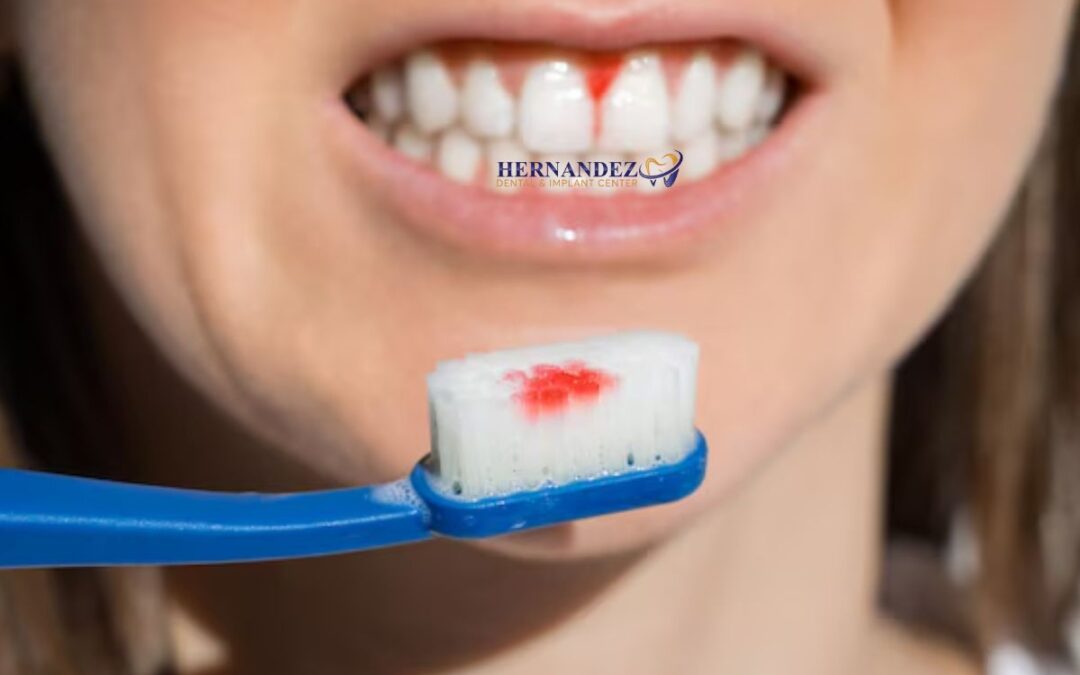
Gingivitis is the most common early stage of gum disease, affecting nearly half of adults in San Antonio and across the country. The good news? It’s reversible when caught early. The challenge? Many people don’t recognize Gingivitis Symptoms until they become noticeable.
If you’ve spotted blood on your toothbrush or noticed your gums looking redder than usual, you’re not alone, and you’re in the right place. This guide will walk you through everything San Antonio residents need to know about recognizing gingivitis symptoms and taking action before the condition becomes more severe.
What is Gingivitis?
Gingivitis is inflammation of the gums caused by plaque buildup along and beneath the gumline. Plaque is a sticky film of bacteria that constantly forms on your teeth. When it’s not removed through regular brushing and flossing, it irritates the surrounding gum tissue, causing redness, swelling, and bleeding.
Think of your gums as the foundation of your smile. When that foundation becomes inflamed, it puts your entire oral health at risk. The bacteria in plaque release toxins that trigger your body’s inflammatory response, making your gums puffy and tender.
Common Signs and Symptoms of Gingivitis
Here’s the tricky part about gingivitis symptoms early stages often don’t hurt. You might have it right now and not feel a thing. That’s why knowing what to look for is so important.
Red or Swollen Gums
Healthy gums should look pink and firm, with a slightly stippled texture like an orange peel. If your gums appear bright red, dark red, or look puffy and swollen, that’s your body signaling inflammation. The color change happens because blood rushes to the inflamed area as your immune system tries to fight off the bacteria.
Bleeding During Brushing or Flossing
This is the classic warning sign most people notice first. If you see pink in the sink after brushing or blood on your floss, your gums are telling you something’s wrong. While a little bleeding once in a while might happen if you’re too aggressive with your toothbrush, regular bleeding is not normal and shouldn’t be ignored.
Persistent Bad Breath (Halitosis)
We’ve all experienced temporary bad breath after eating garlic or onions. But if you have chronic bad breath that doesn’t improve with brushing, mouthwash, or mints, it could signal gingivitis. The bacteria thriving in plaque produce foul-smelling compounds that cause a persistent, unpleasant odor.
Tender or Sensitive Gums
Your gums might feel sore to the touch or hurt when you’re eating, especially with crunchy or hot foods. This tenderness is another sign of inflammation and shouldn’t be dismissed as normal sensitivity.
Receding Gums
When gums start pulling away from your teeth, your teeth may appear longer than they used to. This recession exposes more of the tooth surface and can eventually reach the sensitive root area. It’s your gums’ way of retreating from the bacterial invasion.
Explore our detailed guide to understand the causes and treatment of: Receding Gums.
Changes in Your Bite or Loose Teeth
In more advanced cases that are progressing beyond simple gingivitis, you might notice your teeth don’t fit together quite right when you bite down, or teeth may feel slightly loose. This happens when the supporting structures begin to break down.
Why Early Detection Matters
Here in San Antonio, we love our barbecue, Tex-Mex, and sweet tea, but sugary and acidic foods can contribute to plaque buildup. Add in our warm climate, which creates a perfect environment for bacteria to thrive, and you can see why catching gingivitis early is crucial.
If left untreated, gingivitis progresses into periodontitis, a more serious form of gum disease that damages the bone supporting your teeth. Once you reach that stage, the damage becomes permanent. Periodontitis is the leading cause of tooth loss in adults and has been linked to other health problems like heart disease and diabetes.
The difference between gingivitis and periodontitis is simple: gingivitis is reversible, periodontitis is not. That’s why acting quickly when you notice symptoms makes all the difference.
What Causes Gingivitis?
Poor Oral Hygiene (The Primary Culprit)
Not brushing twice a day and skipping daily flossing allows plaque to build up and harden into tartar. Once tartar forms, you can’t remove it at home; you need a professional cleaning.
Risk Factors That Increase Your Chances
- Smoking or tobacco use: Interferes with how gum tissue heals and makes you more susceptible to infections
- Hormonal changes: Pregnancy, puberty, and menopause can make gums more sensitive and prone to inflammation
- Certain medications: Some prescriptions reduce saliva flow, and saliva naturally helps wash away bacteria
- Chronic diseases: Diabetes and other conditions that affect your immune system weaken your body’s ability to fight off infection
- Poor nutrition: Vitamin C deficiency, in particular, can contribute to gum problems
- Stress: High stress levels can make it harder for your body to fight infection
- Genetics: Some people are simply more prone to gum disease due to their genetic makeup
When to See a Dentist in San Antonio
Don’t wait for symptoms to get worse. If you notice any of the following, schedule an appointment right away:
- Gums that bleed regularly when brushing or flossing
- Red, swollen, or tender gums
- Bad breath that won’t go away
- Gums that are pulling away from your teeth
- Any changes in how your teeth fit together
A dental exam and professional cleaning can often reverse gingivitis completely. Your dentist will measure the depth of the pockets around your teeth, check for plaque and tartar buildup, and may take X-rays to make sure the bone hasn’t been affected. The earlier you catch it, the simpler the treatment.
Preventing and Managing Gingivitis
The best treatment for gingivitis is prevention. Here’s your action plan for keeping your gums healthy:
Your Daily Routine
- Brush twice a day for two full minutes using fluoride toothpaste and a soft-bristle brush
- Floss daily to remove plaque from between teeth where your toothbrush can’t reach
- Use an antiseptic mouthwash if recommended by your dentist to help reduce bacteria
- Consider an electric toothbrush for more effective plaque removal
Lifestyle Changes
- Quit smoking or using tobacco products
- Eat a balanced diet rich in vitamins and minerals
- Limit sugary snacks and drinks
- Stay hydrated to support saliva production
Professional Care
- Schedule dental checkups and cleanings every six months (or more frequently if recommended)
- Follow through with any recommended treatments promptly
- Ask your dentist about your specific risk factors
Take Action Today
Gingivitis doesn’t have to be scary. With the right knowledge and quick action, you can reverse it and get back to having healthy, pink gums. Most people who notice symptoms early and commit to better oral hygiene see significant improvement within just a few weeks.
Remember, your gums are the foundation that holds your teeth in place. Taking care of them now protects your smile for years to come.
Contact Hernandez Dental & Implant Center
If you’re experiencing any gingivitis symptoms or it’s time for your routine checkup, we’re here to help. Our San Antonio team specializes in gentle, effective gum care that gets results.
Call us today at (210) 533-8191 to schedule your appointment. Don’t let gingivitis progress. Early treatment means healthier gums and a brighter smile.
Your gums deserve the same attention you give your teeth. Let’s work together to keep your whole mouth healthy.