
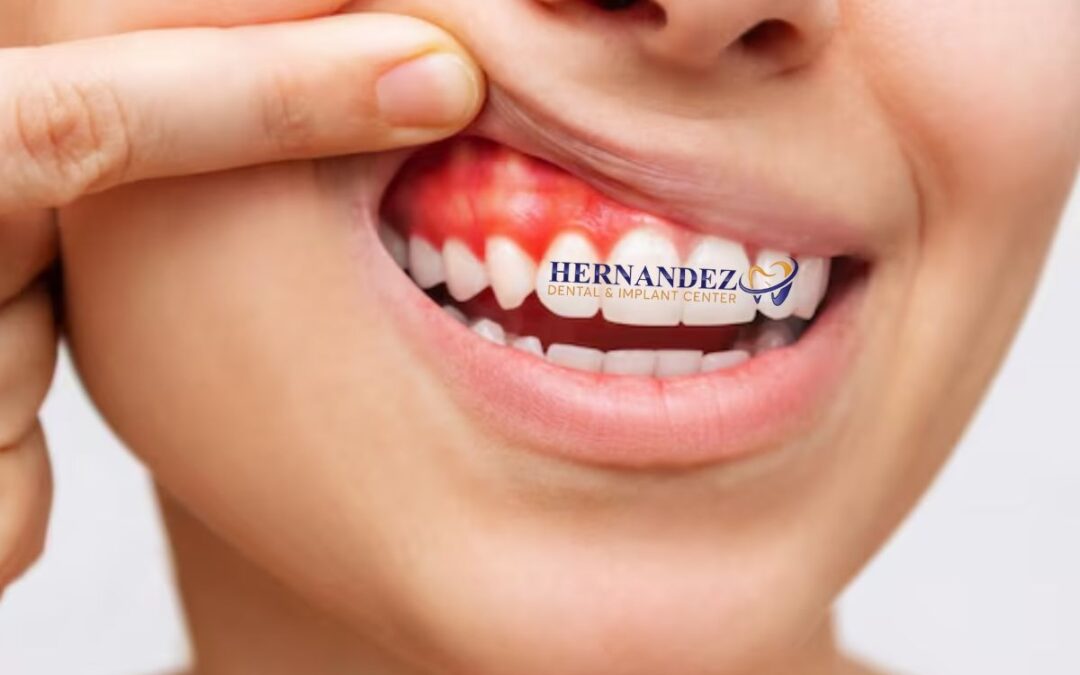
If you’ve noticed blood on your toothbrush or in the sink after brushing, you’re not alone. Gum bleeding is one of the most common dental concerns affecting people throughout San Antonio and across Texas. While seeing blood when you brush or floss can be alarming, understanding why it happens and what you can do about it helps you take control of your oral health.
Gum bleeding often signals that your gums need attention. Sometimes, it’s simply a matter of adjusting your brushing technique or improving your daily oral care routine. However, persistent bleeding can indicate early gum disease that requires professional attention. The good news is that most cases of gum bleeding are treatable and even reversible with proper care.
This comprehensive guide explains everything you need to know about bleeding gums. You’ll learn what causes this common problem, how to recognize warning signs, effective treatment options, and practical prevention strategies you can start using today.
What Causes Gum Bleeding?
Understanding the underlying causes of gum bleeding is the first step toward addressing the problem effectively. Several factors can make your gums bleed:
Gingivitis and Gum Disease
Gingivitis, the earliest stage of gum disease, is the most common cause of bleeding gums. When plaque builds up along your gum line, it irritates the soft tissue. Consequently, your gums become inflamed, swollen, and prone to bleeding. Moreover, if left untreated, gingivitis can progress to more serious periodontal disease.
The good news is that gingivitis is reversible. With improved oral hygiene and professional dental cleaning, your gums can return to health. However, catching it early makes treatment much easier and more effective.
Plaque and Tartar Buildup
Plaque is a sticky film of bacteria that constantly forms on your teeth. When you don’t brush and floss thoroughly, this plaque hardens into tartar. Unfortunately, tartar can only be removed by a dental professional. The bacteria in plaque and tartar produce toxins that irritate your gums, causing them to become inflamed and bleed easily.
Many residents in South San Antonio find that busy schedules make it challenging to maintain perfect oral hygiene. Nevertheless, even small improvements in your brushing and flossing routine can make a significant difference in reducing plaque buildup.
Brushing or Flossing Too Hard
Ironically, being too aggressive with your oral care can actually cause bleeding. Brushing with hard bristles or using too much pressure damages delicate gum tissue. Similarly, flossing too forcefully can cut into your gums and cause bleeding.
If you’re new to flossing or recently started a more thorough oral care routine, you might notice some initial bleeding. This usually stops within a week as your gums become healthier. However, if bleeding continues, you may need to adjust your technique.
Hormonal Changes
Hormones significantly affect gum health, particularly in women. During pregnancy, menstruation, puberty, or menopause, hormonal fluctuations increase blood flow to the gums. Consequently, gums become more sensitive and prone to bleeding even with gentle brushing.
Pregnant women especially need to pay close attention to their gum health. Pregnancy gingivitis is common and can affect both maternal and fetal health if not addressed properly.
Medications
Certain medications can increase gum bleeding. Blood thinners like aspirin and warfarin reduce clotting, so even minor irritation may cause bleeding. Some blood pressure and anti-seizure medications can also lead to gum overgrowth, making gums more prone to bleeding.
If you suspect your medication is contributing to gum bleeding, talk with both your doctor and dentist. Never stop taking prescribed medications without medical guidance.
Medical Conditions
Several health conditions can cause or worsen gum bleeding. Diabetes reduces your body’s ability to fight infections, including gum infections. Furthermore, vitamin deficiencies, particularly vitamin C or vitamin K deficiency, can weaken gum tissue and blood vessels.
Blood disorders like leukemia or platelet disorders can also manifest as bleeding gums. While these conditions are less common, persistent unexplained bleeding should always be evaluated by a healthcare professional.
Smoking and Tobacco Use
Smoking significantly impacts gum health in multiple ways. It reduces blood flow to gum tissue, weakens your immune response, and makes it harder for gums to heal. Moreover, smokers often don’t notice gum bleeding as readily because reduced circulation masks this important warning sign.
Recognizing the Symptoms of Gum Problems
Gum bleeding rarely occurs alone. Watch for these additional warning signs that indicate your gums need attention:
First, notice if your gums appear red or swollen instead of firm and pink. Healthy gums should fit snugly around your teeth without puffiness. Additionally, persistent bad breath that doesn’t improve with brushing might indicate bacterial buildup.
Gum recession, where your gums pull away from your teeth, making them appear longer, is another concern. You might also notice increased tooth sensitivity to hot or cold foods. Furthermore, if your teeth feel loose or you notice changes in how your teeth fit together when you bite, these are serious signs requiring immediate dental attention.
When to See a Dentist for Gum Bleeding
While occasional minor bleeding might not require immediate attention, certain situations warrant a dental visit:
You should schedule an appointment if bleeding occurs regularly for more than a week despite improved oral hygiene. Additionally, seek care if you notice severe gum swelling, pain, or pus around your gums. If bleeding is accompanied by loose teeth or significant gum recession, don’t delay getting professional help.
People with diabetes or compromised immune systems should be especially vigilant. For these individuals, even minor gum problems can escalate quickly. Similarly, if you’re pregnant and experiencing gum bleeding, inform both your dentist and obstetrician.
Throughout San Antonio and the surrounding areas in Bexar County, dental professionals can evaluate your gums and provide appropriate treatment before minor problems become major concerns.
Professional Treatment Options
Dental professionals offer several effective treatments for bleeding gums:
Professional Dental Cleaning
A thorough professional cleaning removes plaque and tartar that you can’t eliminate at home. During this procedure, the hygienist cleans below the gum line, where bacteria accumulate. For many people, this cleaning alone resolves bleeding gums within a few days.
Scaling and Root Planning
For more advanced cases, scaling and root planning provide deep cleaning. This procedure removes tartar from deep pockets between gums and teeth. Then, the dentist smooths the tooth roots, helping the gums reattach properly. This treatment typically requires local anesthesia and may be completed over several visits.
Antibiotic Treatment
Sometimes, dentists prescribe antibiotics to control bacterial infection. These might be oral antibiotics, antibiotic mouth rinses, or antibiotic gels applied directly to gum pockets. However, antibiotics work best when combined with improved home care and professional cleaning.
Advanced Periodontal Therapy
If gum disease has progressed significantly, more advanced treatments might be necessary. These can include gum surgery to reduce deep pockets or laser therapy to remove diseased tissue. Fortunately, catching problems early usually prevents the need for these more involved procedures.
Home Care and Prevention Strategies
You can take several steps at home to stop gum bleeding and prevent it from returning:
Improve Your Brushing Technique
Use a soft-bristled toothbrush and brush gently in circular motions. Hold your brush at a 45-degree angle to your gum line. Brush for at least two minutes twice daily. Furthermore, replace your toothbrush every three to four months or when the bristles become frayed.
Electric toothbrushes can be particularly effective. They provide consistent, gentle pressure, and many include timers to ensure you brush long enough.
Floss Daily
Flossing removes plaque from between teeth where your toothbrush can’t reach. Use a gentle sawing motion to slide floss between teeth. Then, curve it around each tooth and move it up and down beneath the gum line. If traditional floss is difficult, try floss picks or water flossers.
Initially, flossing might cause some bleeding if your gums are inflamed. However, this should improve within a week. If it doesn’t, you might be using too much pressure.
Rinse with Antiseptic Mouthwash
An antimicrobial mouthwash helps reduce bacteria that cause gum inflammation. Look for products with ingredients like chlorhexidine or essential oils. Rinse for 30 seconds after brushing and flossing. However, don’t use mouthwash as a substitute for brushing and flossing.
Try Salt Water Rinses
A simple warm salt water rinse can reduce inflammation and promote healing. Mix half a teaspoon of salt in a glass of warm water. Swish gently for 30 seconds, then spit it out. Repeat this two to three times daily, especially after meals.
Maintain a Healthy Diet
Your diet affects gum health significantly. Foods rich in vitamin C, like oranges, strawberries, and bell peppers, support healthy gums. Additionally, crunchy vegetables help clean teeth naturally. Conversely, limit sugary foods and drinks that promote bacterial growth.
Staying hydrated is also important. Water helps wash away food particles and keeps your mouth moist, which protects against bacteria.
Quit Smoking
If you smoke or use tobacco products, quitting is one of the best things you can do for your gum health. Smoking cessation improves blood flow to gums, strengthens your immune response, and dramatically reduces your risk of serious gum disease.
Many resources are available throughout Texas to help you quit. Talk with your doctor or dentist about smoking cessation programs.
The Connection Between Gum Health and Overall Health
Bleeding gums aren’t just a dental concern. Research increasingly shows strong connections between gum health and overall health:
Bacteria from gum disease can enter your bloodstream and contribute to heart disease. Additionally, people with diabetes are more prone to gum disease, and gum disease makes blood sugar harder to control. Pregnant women with gum disease face higher risks of premature birth and low birth weight babies.
Furthermore, chronic inflammation from gum disease may contribute to other inflammatory conditions throughout your body. Therefore, taking care of your gums benefits your entire health, not just your mouth.
Take Control of Your Gum Health Today
Gum bleeding is a common problem, but it’s also a treatable one. Whether your bleeding results from plaque buildup, technique issues, or underlying health conditions, solutions are available. By understanding the causes and taking proactive steps, you can restore your gums to health and protect your smile for years to come.
Don’t ignore bleeding gums or assume they’ll improve on their own. While improving your home care routine is essential, a professional evaluation ensures you’re addressing the root cause effectively. Early intervention prevents minor gum problems from progressing to serious periodontal disease that can threaten your teeth.
You deserve to enjoy meals without worrying about bleeding gums. Professional dental care has helped countless people throughout San Antonio overcome gum bleeding and restore their oral health. If bleeding gums have been causing you concern or discomfort, now is the perfect time to seek expert guidance and treatment.
Imagine brushing your teeth without seeing blood in the sink. Picture yourself flossing confidently, knowing your gums are healthy and strong. Think about the peace of mind you’ll feel knowing you’ve protected your teeth from gum disease. These aren’t just possibilities but real outcomes that proper dental care can provide.
Ready to stop gum bleeding and achieve optimal oral health? Schedule a comprehensive dental examination with an experienced dentist in San Antonio. During your appointment, you’ll receive a thorough evaluation to identify the exact cause of your bleeding gums, a professional cleaning to remove plaque and tartar buildup, and a personalized treatment plan designed specifically for your needs.
Don’t let another week go by dealing with bleeding gums and the worry that comes with them. Call now to book your appointment and take the first step toward healthy, bleeding-free gums and the confident smile you deserve. Your journey to better gum health is closer than you think, and it starts with one simple phone call. (210) 533-8191