
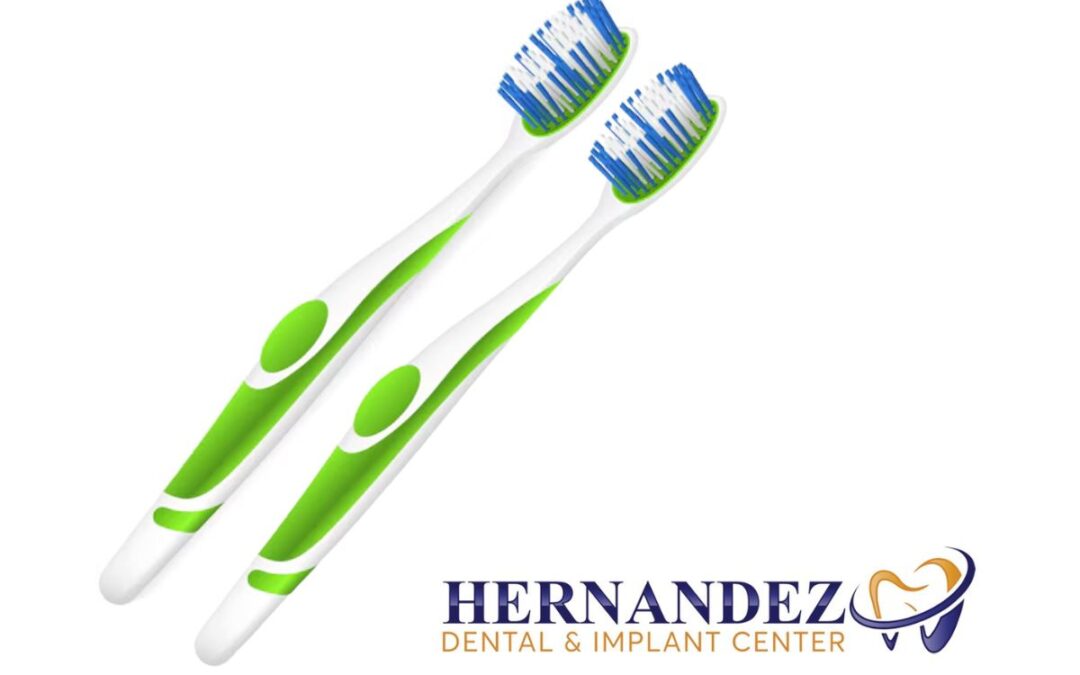
Taking care of your smile is one of the simplest ways to protect your health and boost your confidence. At the center of daily oral care lies a humble yet crucial tool: the toothbrush. Whether you’re a student in San Antonio, a busy parent, or anyone wanting to keep their teeth clean and healthy, knowing how to choose and use the right manual toothbrush can make a big difference.
This guide will walk you step-by-step through everything you need to know about manual toothbrushes, from types and benefits to picking the best one for your needs and brushing properly to keep your smile bright and fresh.
What Is a Manual Toothbrush?
A manual toothbrush is a handheld cleaning device used to remove plaque, food particles, and bacteria from your teeth and gums. It has a handle and a head filled with tiny bristles made from soft or firmer materials. By brushing your teeth with toothpaste and water, you physically scrub away the buildup that can lead to cavities and gum problems.
Learn more about Toothbrush.
Why Manual Toothbrushes Still Matter
Even though electric toothbrushes have gained popularity, manual toothbrushes remain a trusted choice for millions worldwide. They are affordable, easy to use, require no batteries or charging, and when used correctly, can clean your teeth just as well as many electric models.
Types of Manual Toothbrushes
Manual toothbrushes come in several varieties. Understanding these options helps you find one that fits your mouth and brushing style.
Bristle Hardness
The most important consideration is bristle softness. The American Dental Association (ADA) recommends soft bristles for most people because they clean effectively without damaging gums or enamel. Medium and hard bristles may cause gum irritation or enamel wear, especially if you brush with excessive pressure.
Head Size and Shape
Toothbrushes feature heads of varying sizes. Smaller heads make it easier to reach back teeth and tight spaces, particularly useful for children or adults with smaller mouths. Larger heads cover more surface area but can be difficult to maneuver in tight spots.
Handle Design
Handles come in straight, angled, or cushioned designs to provide better grip and comfort. This is especially helpful if you have arthritis or limited dexterity.
Special Features
Some brushes include tongue cleaners on the back of the head, rubber bristles for gum massage, or indicator bristles that fade when replacement is needed.
Benefits of Using a Manual Toothbrush
Affordable and Accessible: Available everywhere from drugstores to supermarkets, manual toothbrushes fit every budget.
Complete Control: You determine how much pressure to apply and which techniques work best for your teeth.
Highly Portable: Easy to pack when traveling, no chargers or batteries needed.
Wide Variety: Countless designs, colors, and brands mean you can find a brush that matches your preferences perfectly.
How to Choose the Right Manual Toothbrush
Selecting the right toothbrush means looking beyond aesthetics. Follow these guidelines:
Opt for Soft Bristles: Choose soft bristles for gentle yet thorough cleaning that protects your gums and enamel.
Consider Size and Shape: Select a small to medium-sized head that fits comfortably inside your mouth. The handle should feel secure and comfortable in your hand.
Look for the ADA Seal: The American Dental Association’s seal of acceptance ensures the product meets rigorous safety and effectiveness standards.
Address Personal Needs: If you have braces, sensitive teeth, or gum disease, consult your dentist for specific recommendations.
How to Brush Your Teeth Properly
Even the best toothbrush requires proper technique. Follow these steps for optimal results:
- Wet the brush and apply a pea-sized amount of fluoride toothpaste.
- Position correctly: Hold the toothbrush at a 45-degree angle to your gums.
- Use gentle motions: Employ short, gentle strokes or small circular motions to clean each tooth’s front, back, and chewing surfaces.
- Clean your tongue: Gently brush your tongue to remove odor-causing bacteria.
- Time it right: Brush for two full minutes, twice daily, once in the morning and once before bed. A timer or music can help track time.
- Avoid excessive pressure: Brushing too hard damages gums and wears down enamel.
Taking Care of Your Toothbrush
Proper toothbrush care can keep it clean and effective:
- Rinse Thoroughly: After brushing, clean the toothpaste and debris from the bristles.
- Storage: Store upright to air dry and avoid contact with other brushes.
- Replace Often: Change your toothbrush every 3-4 months or sooner if bristles bend or wear.
- Don’t Share: Toothbrushes should be personal to prevent spreading germs.
Dispelling Toothbrush Myths
- Myth 1: Harder Bristles Clean Better: Actually, soft bristles clean just as well without harming gums.
- Myth 2: Electric Toothbrushes Are Always Superior: Manual toothbrushes work well when used properly.
- Myth 3: Toothbrushes Last Forever: They lose effectiveness and should be replaced regularly.
Why Regular Dental Visits Matter Too
No matter how well you brush, professional dental cleanings and checkups are crucial. They catch issues early and keep your oral health in top shape. At Hernandez Dental & Implant Center in San Antonio, our team offers expert advice and personalized toothbrush recommendations to fit your unique needs.
Start Your Journey to a Healthier Smile
Choosing and using the right manual toothbrush is a simple step that makes a big difference. Whether you are buying your first toothbrush or looking to improve your routine, pick a soft-bristle brush that fits your mouth and brush gently for two minutes twice a day.
If you want expert guidance or have dental concerns, our friendly team at Hernandez Dental & Implant Center is here to support your oral health journey. Schedule an appointment today and let us help you maintain a bright, healthy smile for years to come!