
In San Antonio and everywhere else, using the right toothbrush makes a big difference in keeping your teeth clean and your gums healthy. Electric toothbrushes have quickly become the top pick for families, kids, and adults who want easier and better results from daily brushing. If you’re considering making the switch, understanding what sets an Electric Toothbrush apart from traditional manual options is essential. This guide explains what makes electric toothbrushes special, why they’re so effective, how to choose the perfect model, and gives all the tips you need for the brightest results.
What Is an Electric Toothbrush?
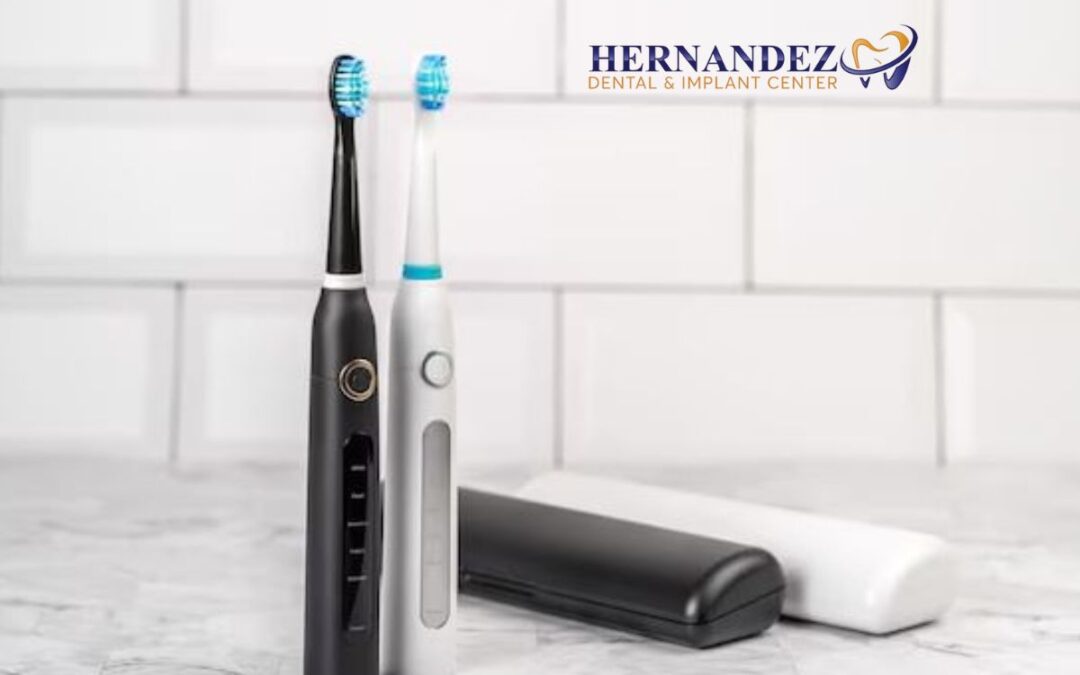
An electric toothbrush looks like a regular toothbrush, but inside the handle is a motor. Turn it on, and the bristles start moving automatically in rapid circles, oscillations, or vibrations, depending on the model. This powered motion removes more plaque and bacteria with less effort or hard scrubbing than a manual brush. Many electric toothbrushes also come with timers, pressure sensors, travel cases, and even fun designs for kids.
Types of Electric Toothbrushes
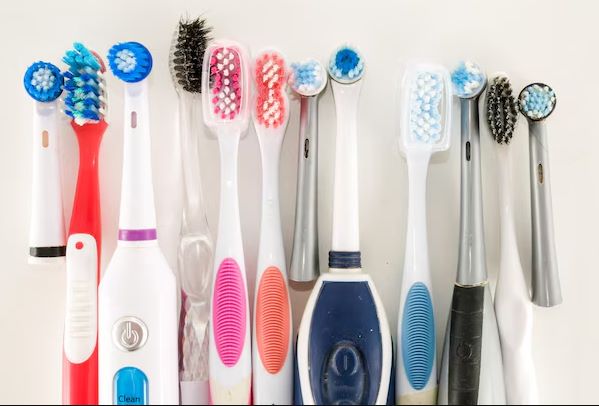
Electric toothbrushes aren’t all the same. Understanding the different styles can help you match the brush to your needs:
- Oscillating-Rotating Brushes:
Popularized by Oral-B, these have small, round heads that spin or move back and forth rapidly. They’re great at removing plaque from all tooth surfaces and are recommended by many dentists for their versatility and thorough cleaning. - Sonic and Ultrasonic Brushes:
Brands like Philips Sonicare utilize super-fast vibrations to clean gently. Sonic brushes can create up to 62,000 movements per minute, helping to dislodge sticky plaque and reach deep between teeth. Ultrasonic models push this technology even further for sensitive mouths or advanced cleaning. - Battery-Powered vs. Rechargeable:
Battery-operated brushes are budget-friendly and suitable for travel, but may have fewer features. Rechargeable models offer stronger cleaning, timers, and extra settings for sensitive or whitening needs. Many rechargeable brushes run for two weeks on a single charge.
Key Features for Choosing the Best Electric Toothbrush
Picking your brush should be a personal decision based on comfort and oral health goals. Here’s what to consider:
- Soft Bristles:
Always select a brush with soft bristles, as recommended by the American Dental Association. These protect gum tissue and enamel from unnecessary wear. - Brush Head Size/Shape:
Smaller, round heads are better for reaching molars and behind teeth. Some models have extra accessories, like tongue scrapers or different head styles for deep cleaning or polishing. - Multiple Cleaning Modes:
Advanced brushes offer settings for sensitive teeth, whitening, gum care, and tongue cleaning, allowing flexibility for all users. - Pressure Sensors:
These sensors let you know if you’re brushing too hard, protecting your gums. - Timers:
Two-minute timers or thirty-second quadrant reminders help everyone brush for the time dentists recommend. - Easy Head Replacement:
Replacement heads should be easy to find and attach. Replace them every 3 months or sooner if bristles fray. - Waterproof and Portable:
A waterproof handle is essential for bathroom use, and the included travel cases make it easy to take your brush anywhere.
Advantages of Electric Toothbrushes
Switching to an electric toothbrush brings several unique benefits for families and individuals in San Antonio:
Superior Plaque and Stain Removal
Electric toothbrushes provide far more cleaning movements per minute than human hands can manage with a manual brush. This means scientific studies consistently show electric models remove more plaque and reduce gingivitis and gum inflammation better than manual options.
Gentle Cleaning for Sensitive Mouths
Built-in pressure sensors, soft bristles, and gentle motion settings make electric brushes ideal for seniors, children, or anyone with sensitive teeth or gums.
Encourages Good Habits
Timers, quadrant reminders, and fun designs help children and adults brush for the recommended time. Many users find that this leads to healthier routines and fewer missed spots.
Easy for People with Limited Dexterity or Braces
For those with arthritis, braces, dental implants, or other special needs, electric toothbrushes take away the physical strain and clean around appliances or hard-to-reach spots much more effectively.
Helps with Whitening
While electric toothbrushes don’t provide professional whitening, consistent use can remove surface stains and prevent discoloration, keeping smiles brighter.
How to Use an Electric Toothbrush Correctly
Turning on an electric toothbrush isn’t enough! Practice solid technique for maximum results:
- Start with Fluoride Toothpaste:
Use a pea-sized amount for best cleaning. - Set the Head at a 45-Degree Angle:
Place it against your gumline for a gentle motion across teeth. - Let the Brush Do the Work:
Move slowly along each tooth, letting the bristles clean rather than scrubbing yourself. - Cover All Areas:
Spend a few seconds on each tooth. Focus on the gumline, back teeth, and chewing surfaces. - Include Your Tongue:
Many brushes have tongue cleaning modes; use them for fresher breath. - Brush for Two Minutes:
Follow the timer or play music to stay engaged. - Rinse and Dry Thoroughly:
Rinse your brush head after use and store it upright for air drying.
Common Mistakes and Solutions
- Brushing Too Hard:
Let the brush do the job. Too much pressure can damage gums and enamel. Use brushes with pressure sensors to avoid this mistake. - Wrong Technique:
Avoid moving the brush back and forth like a manual brush. Hold steadily and guide the movement; let the powered head clean each tooth. - Not Brushing Long Enough:
Many people rush brushing. Always brush for a full two minutes; built-in timers help. - Ignoring Hard-to-Reach Areas:
Plaque builds up behind molars and along the gums. Use different brush heads or angled movements for complete cleaning. - Not Replacing the Brush Head:
Old bristles don’t clean properly and can house bacteria. Replace every three months.
Who Benefits Most from Electric Toothbrushes?
Electric toothbrushes are perfect for:
- Children and Teens:
Engaging technology and fun appearances encourage healthy habits. - Seniors and People with Limited Mobility:
Easy grip, automatic motions, and gentle cleaning help protect aging teeth and gums. - Brace or Implant Wearers:
Cleans around brackets, wires, and dental work far better than manual brushing. - San Antonio Residents Seeking Efficient, Modern Care:
Local families benefit from a faster, more thorough everyday clean.
Expert and Professional Opinions
Many San Antonio dental professionals agree that electric toothbrushes help patients reach better results faster. Dr. Williamson from Mark J. Williamson, DDS, says, “If you look at the lifetime value and return on your investment, electric is the way to go. With up to 150x the cleaning power, the investment is well worth it for most families and individuals.” Even cost-conscious patients see the value in both oral health and ease of use.
Take the Next Step Toward a Healthier Smile
Electric toothbrushes combine smart design, technology, and science to help every person and family in San Antonio achieve healthy, confident smiles. If you’re ready to upgrade your brushing routine, an electric toothbrush offers easier, more effective cleaning. Look for features that suit your needs, and enjoy the cleaner, brighter results.
Not sure which toothbrush is right for you? Whether you’re considering an electric model or prefer a manual toothbrush, our team can help you make the best choice for your oral health.
Schedule your appointment at Hernandez Dental & Implant Center today.
Our locally trusted San Antonio team is dedicated to providing personalized recommendations and helping your whole family maintain healthy, beautiful smiles for years to come.