
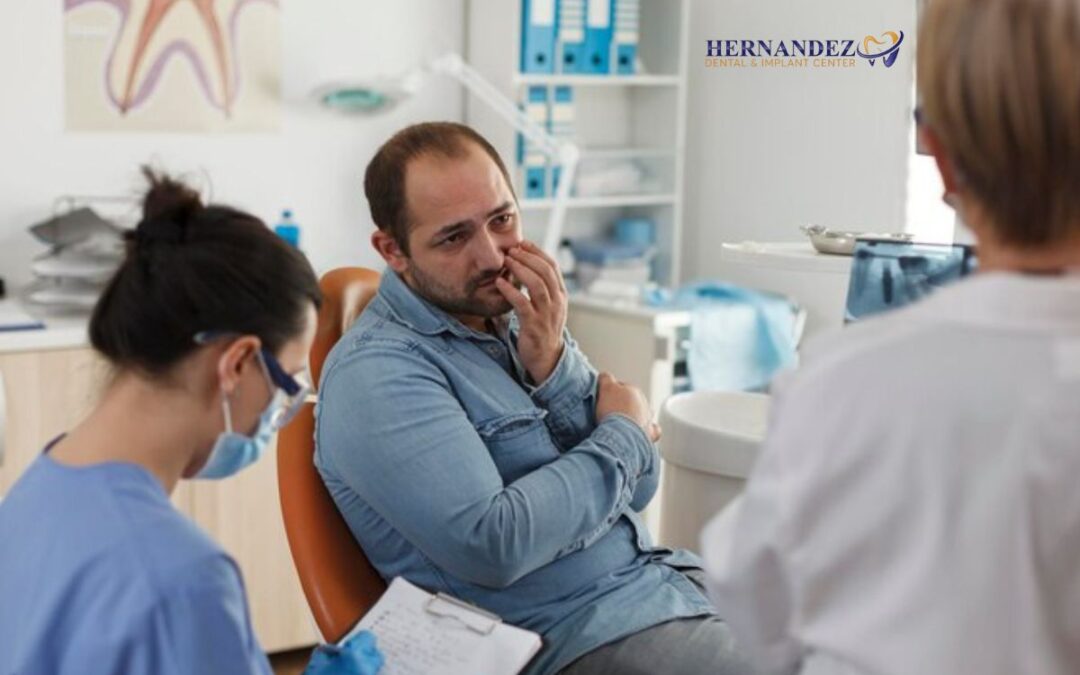
Maria had just finished her regular cleaning at her San Antonio dental office when her dentist noticed a small white patch on the side of her tongue. “It’s probably nothing,” the dentist said, “but let’s keep an eye on it.” Two weeks later, that patch was still there. A simple biopsy revealed early-stage oral cancer. Thanks to catching it early, Maria’s treatment was successful, and today she’s cancer-free.
If you’ve ever worried about oral cancer or wondered if you’re at risk, this guide will help you understand what it is, how to spot the warning signs, and most importantly, how to protect yourself and your loved ones.
Learn More about Oral Health Screening
Why Knowing About Oral Cancer Matters
The word “cancer” can be frightening. But when it comes to oral cancer, knowledge truly is power. When caught early, oral cancer is highly treatable, with excellent survival rates. The problem? About two-thirds of oral cancers aren’t found until later stages, when treatment becomes more difficult.
Here’s what you need to know:
- Early detection saves lives
- Regular dental checkups include oral cancer screenings
- Many warning signs are easy to spot if you know what to look for
- Anyone can get oral cancer, even non-smokers
Who’s at Risk? You Might Be Surprised
You might think oral cancer only affects older adults who smoke. That used to be mostly true, but things have changed.
Traditional Risk Factors:
- Smoking cigarettes, cigars, or pipes
- Using chewing tobacco or snuff
- Heavy alcohol use
- Too much sun exposure (especially for lip cancer)
The New Risk Factor:
The fastest-growing group of oral cancer patients is young, non-smoking adults. The reason? A virus called HPV16, which is a strain of the Human Papillomavirus.
HPV is the most common sexually transmitted infection in the United States. About 20 million Americans currently have it, and experts estimate that at least half of all sexually active people will get it at some point in their lives.
Most HPV strains are harmless and cause nothing worse than warts. Your immune system can often clear the virus on its own within two years. But HPV16 is different. This strain can change normal cells into cancer cells. You may already know that HPV16 causes cervical cancer. Now we know it’s also behind many new cases of oral cancer.
Bottom line: Even if you’ve never smoked a cigarette in your life, you could still be at risk for oral cancer.
Warning Signs to Watch For
Most bumps, lumps, and occasional sores in your mouth are completely harmless. But some changes deserve attention. Contact your San Antonio dentist if you notice:
- White or red patches inside your mouth that don’t go away
- Sores or ulcers that last more than two weeks
- Lumps or thick spots anywhere in your mouth, throat, or neck
- Trouble swallowing or chewing
- Persistent sore throat or hoarseness
- Numbness in your tongue or other parts of your mouth
- A lump in your neck that doesn’t go away
- Pain in one ear without hearing loss
These symptoms don’t automatically mean cancer, but they do mean you should get checked out.
Where Oral Cancer Usually Shows Up
Most oral cancers are squamous cell carcinomas. That’s a medical term that just means the cancer affects the flat, scale-like cells that line your mouth and throat.
Common Locations:
- Sides of the tongue – This is the most common spot. The tongue has lots of blood vessels and connects to your lymphatic system (part of your immune system), so cancer can spread more easily from here.
- Floor of the mouth – The area under your tongue is the second most common location.
- Lower lip – Usually caused by too much sun exposure over many years.
- Gums, cheeks, and the roof of the mouth – Less common, but still possible.
How Your Dentist Checks for Oral Cancer
Good news: Your regular dental checkup already includes an oral cancer screening. Your San Antonio dentist doesn’t just clean your teeth; they also carefully examine your entire mouth, throat, and neck.
What Happens During Screening:
Step 1: Visual Exam The dentist looks at all surfaces inside your mouth, checking for any unusual colors, spots, or growths.
Step 2: Touch Exam Using gloved hands, they feel your jaw, neck, and under your chin for lumps or swelling.
Step 3: Throat Check Next, they examine the back of your throat and look at your tonsils.
Step 4: Follow-up if Needed. If something looks suspicious, a biopsy may be recommended. This simple procedure removes a tiny piece of tissue to send to a lab for testing. It’s the only way to know for sure if something is cancerous.
The entire screening takes just a few minutes, but it could save your life.
Treatment Options When Caught Early
If oral cancer is diagnosed, your treatment will depend on the stage and location of the cancer. Options include:
- Surgery to remove the cancerous tissue
- Radiation therapy to kill cancer cells
- Chemotherapy for more advanced cases
- A combination of these treatments
When oral cancer is caught early, treatment is usually simpler and far more successful. That’s why regular screenings matter so much.
If you want to learn more about Oral Cancer Treatment
How to Protect Yourself from Oral Cancer
You can’t control everything, but you can make choices that significantly lower your risk.
Stop Using Tobacco Cigarettes, cigars, pipes, chewing tobacco, and snuff all increase your risk. Quitting is the single best thing you can do for your oral health.
Limit Alcohol. Heavy drinking raises your risk, especially when combined with tobacco use.
Practice Safe Behavior. Since HPV is a major risk factor, protecting yourself from sexually transmitted infections helps reduce your oral cancer risk.
Protect Your Lips from the Sun. Use lip balm with SPF when you’re outside, especially if you spend a lot of time outdoors.
Eat Plenty of Fruits and Vegetables. Research consistently shows that a diet rich in fruits and vegetables helps protect against oral and throat cancer. A healthy diet also strengthens your immune system.
See Your Dentist Regularly. Schedule checkups every six months. A quick oral cancer screening could catch problems when they’re easiest to treat.
Taking Control of Your Oral Health
Oral cancer might sound scary, but remember this: early detection dramatically improves survival rates. By understanding the risk factors, knowing the warning signs, and visiting your San Antonio dentist regularly for screenings, you’re taking powerful steps to protect yourself.
Don’t wait for symptoms to appear. Schedule your next dental checkup today. Those few minutes of screening could be the most important minutes of your life.
Schedule Your Oral Cancer Screening in San Antonio Today
Your health is too important to put off. If it’s been more than six months since your last dental checkup, or if you’ve noticed any of the warning signs mentioned in this guide, now is the time to take action.
Our San Antonio dental team provides thorough oral cancer screenings as part of every routine checkup. We use the latest techniques to detect problems early when they’re most treatable. Whether you’re due for a regular exam or have specific concerns, we’re here to help.
Call us today to schedule your appointment.
Book online for your convenience.
Don’t leave your oral health to chance. Early detection saves lives, and we’re committed to keeping you and your family healthy. Join the hundreds of San Antonio families who trust us with their dental care.
Remember: A few minutes of screening today could add years to your life tomorrow.