
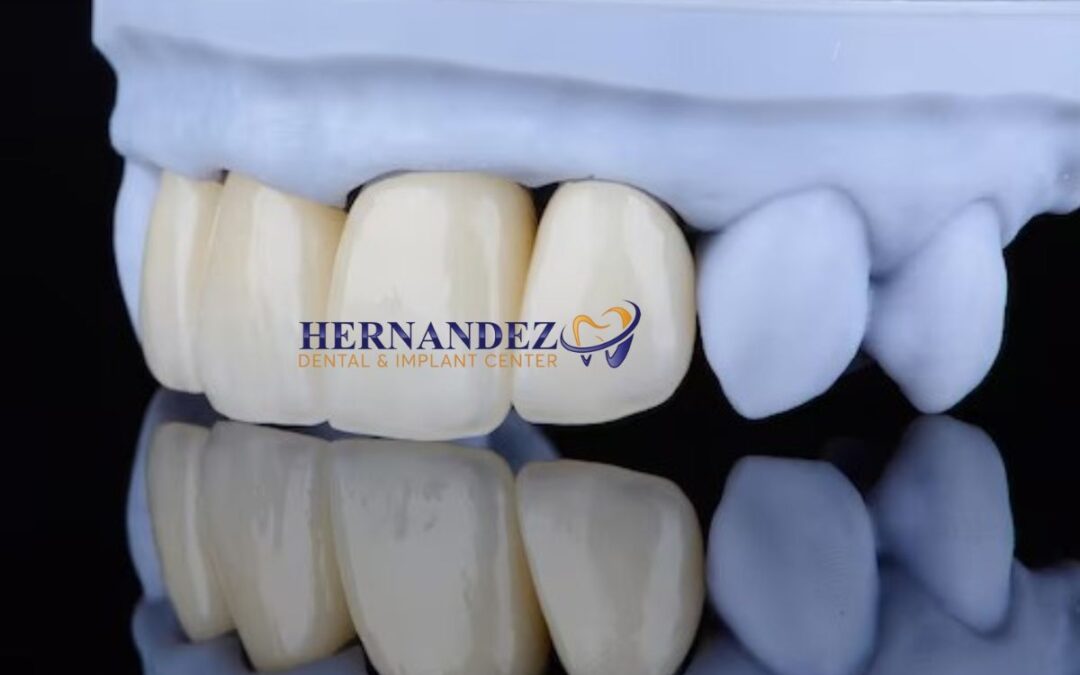
What Is a Zirconia Crown?
Quick Answer: A zirconia crown is a tooth-colored dental cap made from zirconium dioxide ceramic that restores damaged teeth with exceptional strength and natural appearance.
Zirconia crowns are among the most advanced dental restorations available today. Made from zirconium dioxide, a biocompatible ceramic material, these crowns protect weakened or damaged teeth while blending seamlessly with your natural smile. They’re completely metal-free, making them ideal for patients with metal sensitivities or anyone seeking a more natural-looking restoration.
Dentists recommend zirconia crowns for cracked teeth, large fillings, root canal treatments, and severe decay. The material’s strength rivals metal crowns while offering superior aesthetics.
Why Choose Zirconia Crowns? 5 Key Benefits
- Exceptional Durability
Zirconia ranks among the strongest dental materials available. It resists chipping, cracking, and breaking better than porcelain or ceramic alternatives. This makes zirconia ideal for back molars that handle intense chewing pressure. - Natural, Tooth-Like Appearance
Modern zirconia mimics natural tooth enamel’s translucency and light-reflecting properties. Your dentist can color-match it precisely to the surrounding teeth. Most people can’t distinguish zirconia crowns from natural teeth. - Metal-Free and Biocompatible
Unlike porcelain-fused-to-metal crowns, zirconia contains no metal. This eliminates dark gum lines, metal allergies, and tissue reactions. The material integrates naturally with your gums and oral tissues. - Stain-Resistant Surface
Zirconia resists discoloration from coffee, tea, wine, and tobacco. Your crown maintains its original color for years without special whitening treatments. - Protects Opposing Teeth
While extremely durable, zirconia won’t wear down the teeth it bites against, a problem with some harder crown materials.
Types of Zirconia Crowns: Which Is Right for You?
Monolithic Zirconia (Solid Zirconia)
Best for: Back teeth (molars and premolars)
Strength: Highest fracture resistance
Aesthetics: Good, but slightly less translucent
Single-block construction provides maximum durability for teeth that endure heavy chewing forces.
Layered Zirconia (Porcelain-Layered)
Best for: Front teeth (incisors and canines)
Strength: Very good
Aesthetics: Excellent translucency and color depth
Combines a zirconia base with porcelain overlay for superior front-tooth aesthetics. The porcelain layer may chip under extreme force.
High-Translucent Zirconia
Best for: All teeth
Strength: Excellent
Aesthetics: Outstanding natural appearance
The latest innovation balances strength with light transmission for both front and back teeth.
The Zirconia Crown Procedure: What to Expect
Step 1: Consultation and Examination (30-45 minutes)
Your dentist examines your tooth, takes X-rays, and discusses treatment options. They’ll explain costs, timeline, and answer your questions about the procedure.
Step 2: Tooth Preparation (60-90 minutes)
- Local anesthesia numbs the treatment area
- The dentist removes decay and reshapes the tooth
- Digital scan or impression captures tooth shape
- Temporary crown placement protects the prepared tooth
Step 3: Crown Fabrication (1-3 weeks)
A dental laboratory custom-makes your zirconia crown using your tooth scan. Some offices offer same-day crowns with CAD/CAM technology.
Step 4: Final Crown Placement (30-60 minutes)
- Temporary crown removal
- Fit, color, and bite verification
- Permanent cementation with dental adhesive
- Final bite adjustment if needed
Total Timeline: 2-3 weeks (or same day with in-office milling)
How Long Do Zirconia Crowns Last?
Average Lifespan: 10-15 years (with proper care, many last 20+ years)
Factors affecting longevity include:
- Oral hygiene: Daily brushing and flossing
- Bite force: Teeth grinding reduces lifespan
- Regular checkups: Professional monitoring every 6 months
- Habits: Avoiding ice chewing, nail biting, and using teeth as tools
Caring for Your Zirconia Crown
Daily Care Routine
- Brush twice daily with fluoride toothpaste
- Floss around the crown daily
- Use non-abrasive toothpaste
- Rinse with antibacterial mouthwash
What to Avoid
- Chewing ice or hard candy
- Opening packages with your teeth
- Biting directly into hard foods (use your side teeth)
- Smoking or excessive alcohol consumption
For Teeth Grinders
Wear a custom nightguard to protect your crown from grinding damage.
Zirconia vs Other Crown Materials
| Feature | Zirconia | Porcelain | Metal | PFM* |
| Strength | Excellent | Good | Excellent | Very Good |
| Aesthetics | Excellent | Excellent | Poor | Good |
| Metal-Free | ✓ | ✓ | ✗ | ✗ |
| Stain Resistance | Excellent | Good | N/A | Good |
| Best For | All teeth | Front teeth | Back teeth | Back teeth |
*PFM = Porcelain-Fused-to-Metal
When Do You Need a Zirconia Crown?
Consider a dental crown evaluation if you have:
- Large fillings covering more than 50% of the tooth structure
- Cracked or fractured teeth
- Teeth after root canal treatment
- Severe tooth decay beyond filling repair
- Cosmetically damaged front teeth
- Worn teeth from grinding
Potential Limitations to Know
While zirconia crowns excel in most areas, be aware of:
- Reparability: Chips usually require a full crown replacement
- Initial sensitivity: May last 1-2 weeks after placement
- Irreversible process: Once your tooth is prepared, you’ll always need a crown
- Cost: Higher initial investment than some alternatives
Ready to Restore Your Smile?
Zirconia crowns offer an exceptional combination of strength, beauty, and longevity for damaged or weakened teeth. Whether you need a single crown or multiple restorations, modern zirconia technology provides reliable, natural-looking results.
Schedule a consultation with an experienced dentist to:
- Receive a comprehensive dental examination
- Discuss all restoration options for your situation
- Get personalized treatment recommendations
- Review costs and insurance coverage
Call now to book your appointment: (210) 533-8191
Your journey to a healthier, stronger smile starts with one simple call.
About This Guide: This information is for educational purposes. Consult a qualified dentist for personalized advice about your dental health needs. Treatment recommendations vary based on individual circumstances.
Frequently Asked Questions About Zirconia Crowns
Are zirconia crowns better than porcelain?
Zirconia offers superior strength and durability compared to all-porcelain crowns. For back teeth, zirconia is usually the better choice. For front teeth, both materials provide excellent aesthetics.
Do zirconia crowns look natural?
Yes. Modern zirconia crowns feature translucency and color-matching that make them virtually indistinguishable from natural teeth. High-translucent zirconia provides the most natural appearance.
Does getting a zirconia crown hurt?
No. Your dentist uses local anesthesia during tooth preparation so that you won’t feel pain. Mild sensitivity for 1-2 weeks after placement is normal and temporary.
Can zirconia crowns break or chip?
While zirconia is extremely strong, any crown can break under extreme force. Zirconia has much lower fracture rates than porcelain. Avoid chewing ice and hard objects to maximize longevity.
How do I clean a zirconia crown?
Clean zirconia crowns exactly like natural teeth: brush twice daily, floss daily, and attend regular dental checkups. No special cleaning products are required.