
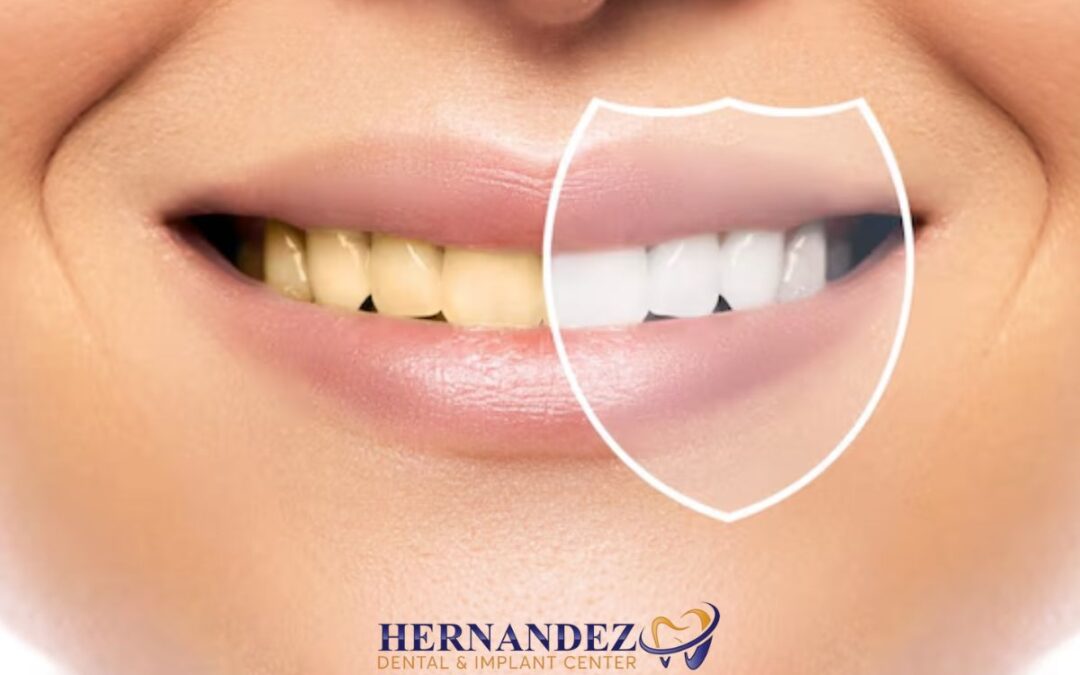
Yellow teeth are one of the most common cosmetic dental concerns affecting people of all ages. If you’ve noticed your teeth looking more yellow or stained over time, you’re certainly not alone. Studies show that tooth discoloration affects the majority of adults at some point in their lives.
Understanding why teeth turn yellow and what you can do about it helps you make informed decisions about your oral care. While yellow teeth rarely indicate serious health problems, they can affect confidence and how comfortable you feel smiling. Fortunately, many effective solutions exist, ranging from simple lifestyle changes to professional treatments.
This comprehensive guide explains everything you need to know about yellow teeth. You’ll learn what causes discoloration, how to prevent it, and what treatment options are available to restore your smile’s brightness.
What Are Yellow Teeth?
Yellow teeth refer to tooth discoloration where teeth appear yellow, cream-colored, or brownish instead of bright white. This discoloration can affect all your teeth or appear in patches and spots. Moreover, the shade can range from light yellow to deep brown depending on the cause.
It’s important to understand that naturally white teeth are actually quite rare. Most people’s teeth have a slight off-white or ivory color. The outer layer of your tooth, called enamel, is naturally somewhat translucent. Beneath it lies dentin, which has a yellowish color. Therefore, as enamel thins with age, the yellow dentin shows through more prominently.
Tooth discoloration falls into two main categories. First, extrinsic staining affects the outer surface of teeth from food, drinks, and lifestyle habits. Second, intrinsic staining occurs inside the tooth structure itself from factors like medications or trauma.
Why Are My Teeth Yellow?
Yellow teeth develop for many different reasons, and understanding why discoloration occurs is the first step toward addressing it. In most cases, tooth yellowing happens gradually due to surface stains, enamel thinning, or lifestyle habits. Sometimes, internal factors such as genetics, medications, or natural aging also play a role. By identifying the underlying cause, you can choose the most effective prevention and treatment methods.
Common Causes of Yellow Teeth
Understanding what causes yellow teeth helps you prevent further discoloration. Several factors contribute to tooth yellowing:
Food and Beverages
Certain foods and drinks are notorious for staining teeth. Coffee and tea contain compounds called tannins that cause yellowish discoloration. Similarly, red wine, cola, and dark sodas leave stains on tooth enamel. Additionally, deeply colored foods like berries, tomato sauce, and curry can gradually yellow teeth over time.
Tobacco Use
Smoking cigarettes or using other tobacco products causes significant tooth discoloration. Tobacco contains tar and nicotine, both of which create stubborn yellow and brown stains. Furthermore, these stains penetrate deep into tooth enamel, making them particularly difficult to remove.
Poor Oral Hygiene
Inadequate brushing and flossing allow plaque and tartar to accumulate on teeth. Plaque is a sticky film of bacteria that appears yellowish. When plaque hardens into tartar, it creates yellow or brown deposits that regular brushing cannot remove. Consequently, maintaining consistent oral hygiene is essential for preventing yellowing.
Aging
As you age, your tooth enamel naturally wears thinner. This reveals more of the yellow dentin layer underneath. Additionally, years of chewing and exposure to acids gradually erode enamel. Therefore, some degree of yellowing is a normal part of aging for most people.
Medications
Certain medications cause tooth discoloration, particularly when taken during childhood tooth development. Tetracycline antibiotics are well-known culprits that can cause gray or brownish banding on teeth. Additionally, antihistamines and blood pressure medications can contribute to yellowing in some people.
Genetics
Some people are simply born with naturally thicker enamel or whiter dentin. Genetics determines your natural tooth color to a significant degree. If your parents have yellow teeth, you’re more likely to have them too, regardless of your oral care habits.
Professional Treatment Options
Several professional treatments can effectively address yellow teeth:
Professional Teeth Whitening
Professional whitening uses high-concentration bleaching agents to remove stains and lighten tooth color. In-office whitening typically produces results in one to two hours. Teeth can become several shades lighter in a single visit. Furthermore, results usually last six months to two years, depending on lifestyle habits.
Dental Veneers
For severely discolored teeth that don’t respond well to whitening, veneers offer a solution. These thin porcelain shells cover the front surface of teeth and can change tooth color dramatically. Veneers can last 10 to 15 years or longer with proper care.
Dental Bonding
Bonding uses tooth-colored composite resin to cover discolored areas. This treatment works well for individual stained teeth or small areas of discoloration. Bonding is less expensive than veneers and requires minimal tooth preparation.
At-Home Whitening Options
Many effective at-home methods can help reduce yellowing:
Whitening Toothpaste
Whitening toothpastes contain mild abrasives that remove surface stains. They can lighten teeth by about one shade over time. Use whitening toothpaste as directed, typically twice daily. Results become noticeable after several weeks of consistent use.
Whitening Strips
Over-the-counter whitening strips are coated with peroxide-based whitening gel. You apply them directly to teeth for about 30 minutes daily. Most treatments last two weeks and can lighten teeth by several shades.
Natural Remedies
Several natural approaches may help reduce mild yellowing. Baking soda has mild abrasive properties that can remove surface stains when used sparingly. Additionally, eating crunchy fruits and vegetables like apples and carrots helps naturally clean teeth.
Prevention and Long-Term Care
Preventing yellow teeth is easier than treating severe discoloration. These strategies help maintain whiter teeth:
Practice Excellent Oral Hygiene
Brush your teeth at least twice daily for two minutes each time. Use fluoride toothpaste and a soft-bristle brush. Additionally, floss daily to remove plaque between teeth where your brush can’t reach.
Limit Staining Foods and Drinks
When you consume coffee, tea, or red wine, use a straw to minimize contact with your front teeth. Additionally, rinse your mouth with water after consuming staining foods or drinks.
Quit Tobacco
Stopping all tobacco use prevents further staining and provides numerous health benefits. Your teeth can become noticeably whiter within weeks of quitting.
Stay Hydrated
Drinking plenty of water throughout the day helps wash away food particles and bacteria. Water also stimulates saliva production, which naturally protects teeth from staining.
Regular Dental Visits
Professional cleanings remove plaque and tartar that cause yellowing. Most people should have cleanings every six months.
When to Seek Professional Evaluation
While yellow teeth are usually a cosmetic concern, certain situations warrant professional evaluation. If yellowing appears suddenly or affects only one tooth, this could indicate nerve damage requiring treatment. Similarly, if discoloration accompanies pain or sensitivity, these symptoms need professional assessment.
When yellow teeth significantly impact your confidence or quality of life, discussing treatment options with a dental professional helps you understand what’s possible for your specific situation.
Understanding Treatment Limitations
It’s important to have realistic expectations about tooth whitening. Not all types of discoloration respond equally to whitening treatments. Surface stains from food and drinks typically respond well. However, intrinsic discoloration from medications may resist whitening.
Furthermore, existing dental work, like crowns and veneers, doesn’t change color with whitening treatments. Whitening results aren’t permanent either. Teeth naturally darken again over time, especially if you continue habits that cause staining.
Take Control of Your Smile’s Brightness
Yellow teeth are a common cosmetic concern, with many contributing factors, including dietary habits, aging, genetics, and medications. While tooth discoloration itself doesn’t harm your health, it can affect confidence and may indicate underlying oral health issues that need attention.
Understanding what causes yellowing empowers you to make informed choices about prevention and treatment. Simple lifestyle changes, such as improving oral hygiene, limiting staining foods, and quitting tobacco, can significantly reduce yellowing. Additionally, numerous professional and at-home treatments exist for those seeking whiter teeth.
You deserve to smile confidently without feeling self-conscious about tooth discoloration. Professional dental care has helped countless people throughout San Antonio overcome yellow teeth and restore their smile’s natural brightness. If yellowed teeth have been affecting your confidence or causing you concern, now is the perfect time to explore your options and discover what’s possible.
Imagine looking at photos and loving your bright, natural smile. Picture yourself laughing freely in social situations without worrying about how your teeth look. Think about the confidence you’ll feel in job interviews, first dates, and everyday interactions. These aren’t just dreams but real possibilities through proper dental care and appropriate treatments.
Ready to achieve the brighter smile you’ve always wanted? Schedule a comprehensive dental examination with an experienced dentist in San Antonio. During your appointment, you’ll receive a thorough evaluation to determine the exact cause of your tooth discoloration, learn which treatment options are most effective for your specific situation, and receive a personalized care plan designed to help you achieve your smile goals.
Don’t let another week go by feeling self-conscious about your smile. Call now to book your appointment and take the first step toward a brighter, more confident smile. Your journey to whiter teeth is closer than you think, and it starts with one simple phone call. (210) 533-8191
Frequently Asked Questions
Are yellow teeth permanent?
Usually, no. Most yellowing comes from surface stains that can be removed with cleaning or whitening. Deep or intrinsic discoloration may require veneers or bonding.
Can brushing remove yellow stains?
Brushing can remove mild surface stains, especially from plaque. But deeper or older stains won’t go away with brushing alone and may need professional whitening.
Why are my teeth still yellow even after whitening?
Some stains are internal and don’t respond to whitening. Thin enamel, medication-related stains, or dental restorations can also make teeth stay yellow even after whitening.