
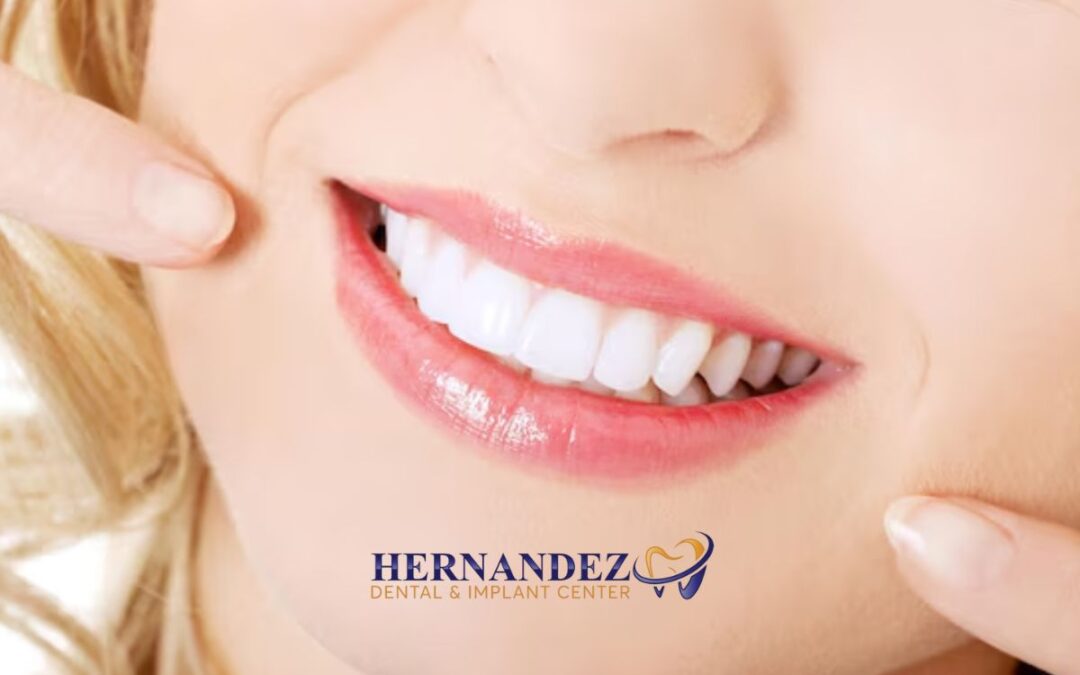
Teeth bleaching, sometimes called teeth whitening, is a dental procedure aimed at lightening the color of your teeth. If you feel your smile looks dull or stained, understanding this cosmetic treatment can help you decide what’s best for your oral health and appearance. A bright, confident smile can make a significant difference in both personal and professional interactions, which is why many people seek out these treatments to enhance their natural beauty.
What is Teeth Bleaching?
This cosmetic procedure uses bleaching agents like hydrogen peroxide or carbamide peroxide to remove deep stains. Unlike regular whitening, which may clean surface discoloration, bleaching penetrates the enamel to lighten the color inside the tooth itself, allowing for a brighter and more dramatic improvement. The process works at a molecular level, fundamentally changing the color composition of your teeth rather than simply removing external debris.
The chemistry behind this treatment is fascinating. Tooth enamel is naturally porous, which means that over time, it absorbs pigments from the foods we eat and beverages we drink. These stain molecules become embedded within the tooth structure, making them impossible to remove through regular brushing alone. Professional bleaching agents are specifically formulated to break down these deeply embedded stains.
How Does It Work?
The bleaching agents break down complex stain molecules into smaller, less pigmented particles through an oxidation reaction. This chemical change makes your teeth look visibly whiter. The process can be performed by a dental professional using high-strength formulas or at home with lower concentrations.
During the oxidation process, the peroxide compounds release oxygen molecules that penetrate the tooth enamel and dentin. These oxygen molecules interact with the discolored molecules in your teeth, breaking the chemical bonds that hold the stain compounds together. As these bonds break apart, the stain molecules become colorless or significantly lighter, resulting in a noticeably brighter smile.
The concentration of the bleaching agent determines how quickly and dramatically results appear. Professional treatments typically use concentrations ranging from 15% to 43% hydrogen peroxide, while at-home products usually contain 3% to 20% concentrations. Higher concentrations work faster but require professional supervision to ensure safety and minimize side effects.
Types of Treatments
In-Office Treatment
The fastest and most powerful method, performed by dentists. Professional treatments often include protective measures and sometimes use special lights or lasers to accelerate the process. During an in-office session, your dentist will first clean your teeth thoroughly to remove any plaque or debris. Then, they’ll apply a protective barrier to your gums to prevent irritation from the strong bleaching solution.
The actual bleaching gel is then carefully applied to the tooth surfaces. Some dentists use specialized LED lights or lasers, which are believed to activate the bleaching agent and enhance results, though research on their effectiveness varies. An in-office treatment typically takes 60 to 90 minutes, and many patients see immediate results with teeth becoming several shades lighter in just one visit.
At-Home Treatment
Custom trays with gel provided by your dentist or over-the-counter kits to use for days or weeks. Generally, lower concentration with slower results. Dentist-supervised at-home treatments involve custom-fitted trays made from impressions of your teeth, ensuring even coverage and preventing gel from contacting your gums unnecessarily.
You’ll typically wear these trays for 30 minutes to several hours daily, depending on the product strength and your dentist’s recommendations. Results usually become visible after several days of consistent use, with full results appearing after two to four weeks. Over-the-counter options include whitening strips, brush-on gels, and pre-filled trays, though these may not fit as precisely or provide results as predictable as professional options.
Who Can Benefit?
This treatment is ideal for people with discoloration caused by aging, medication, trauma, or certain foods and drinks. As we age, our tooth enamel naturally becomes thinner, revealing more of the yellowish dentin underneath. Certain antibiotics, particularly tetracycline, can cause intrinsic staining if taken during tooth development. Trauma to teeth can also cause discoloration as the tooth responds to injury.
However, it’s not suitable for everyone. People with sensitive teeth, gum disease, or certain dental restorations should consult their dentist first. Pregnant or nursing women should typically wait before pursuing whitening treatments. Additionally, bleaching doesn’t work on dental crowns, veneers, or fillings, so if you have visible restorations, they may not match your newly whitened natural teeth.
Individuals with very dark gray or brownish stains, particularly those caused by tetracycline or excessive fluoride exposure, may find that bleaching is less effective. In these cases, alternative cosmetic solutions like veneers or bonding might be more appropriate.
Safety and Side Effects
When monitored by a dental professional, the procedure is safe and effective. Extensive research has shown that when used as directed, bleaching agents don’t harm tooth enamel or overall oral health. You might experience temporary tooth sensitivity or gum irritation, but these usually subside quickly, typically within a few days of completing treatment.
Tooth sensitivity occurs because the bleaching process temporarily increases tooth porosity, allowing sensations to reach the nerve more easily. Using desensitizing toothpaste before and after treatment can help minimize discomfort. Gum irritation usually results from the bleaching gel contacting soft tissues and can be prevented with proper application techniques and protective barriers.
It’s important to follow recommended guidelines to avoid overuse that can cause enamel damage. Excessive bleaching can lead to increased tooth sensitivity, enamel erosion, and a translucent appearance at the tooth edges. Always follow your dentist’s instructions regarding frequency and duration of treatment.
Maintaining Your Bright Smile
To keep your teeth looking their best after treatment, consider these essential maintenance strategies. The longevity of your results depends significantly on your lifestyle choices and oral care habits.
First, avoid staining foods and drinks, such as coffee, tea, red wine, dark sodas, berries, and tomato-based sauces. If you do consume these items, try drinking through a straw to minimize contact with your front teeth, and rinse your mouth with water afterward. Smoking and tobacco use are particularly damaging to white teeth, causing rapid re-staining and yellowing.
Maintain good oral hygiene habits, including brushing twice daily with fluoride toothpaste and flossing at least once per day. Regular brushing removes surface stains before they have a chance to penetrate the enamel. Use whitening toothpaste once or twice weekly to help maintain results, though avoid overuse as some whitening toothpastes can be abrasive.
Schedule regular dental cleanings every six months. Professional cleanings remove plaque and surface stains that regular brushing can’t eliminate, keeping your smile bright between whitening sessions. Consider occasional touch-ups as advised by your dental professional, typically every six months to two years, depending on your lifestyle and the type of initial treatment you received.
Conclusion
Understanding this cosmetic dental procedure helps you make informed choices about your smile’s health and appearance. This safe, effective process can lighten teeth beyond their natural shade, boosting confidence with a brighter smile. Whether you choose professional or at-home treatments, knowing how the process works and proper aftercare is crucial for lasting results.
The investment in a brighter smile extends beyond aesthetics. Many people report feeling more confident in social situations, more willing to smile in photographs, and generally better about their appearance after treatment. With proper care and maintenance, your results can last for many months or even years, making it a worthwhile investment in your self-confidence and overall well-being.
Call to Action
Ready to brighten your smile and learn more about professional whitening options? Book an appointment with a trusted dental expert in San Antonio today and take the first step toward a radiant, confident you! Our experienced team can evaluate your specific needs and recommend the most effective treatment plan for your unique situation.
Frequently Asked Questions
Is teeth bleaching the same as teeth whitening?
Teeth bleaching involves stronger chemicals and can change the color beyond natural shade, while whitening mostly removes surface stains.
How long does teeth bleaching last?
On average, results can last from a few months up to a year, depending on lifestyle and oral care.
Is teeth bleaching safe for sensitive teeth?
It can cause temporary sensitivity, but a dentist can customize treatment to minimize discomfort safely.