

As parents, we all want to ensure our children grow up with healthy teeth and a confident smile. The best way to set them on the path to a beautiful, healthy smile is to start early, especially when it comes to orthodontic care. The American Association of Orthodontists (AAO) recommends that children have their first orthodontic evaluation by age 7.
But why age 7? Isn’t that a bit young for an orthodontic visit? In this post, we’ll explain why early intervention at this age can make all the difference in your child’s dental development.
What Happens During Your Child’s First Orthodontic Visit?
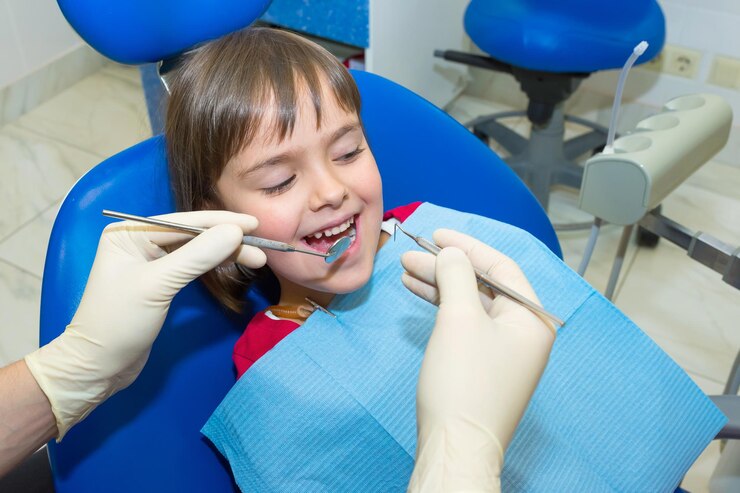
During the initial visit, the orthodontist will assess your child’s dental development, including the alignment of their teeth, bite, and jaw. By age 7, your child’s permanent teeth are starting to come in, which makes it an ideal time for the orthodontist to evaluate their dental growth.
At this stage, the orthodontist may not recommend immediate treatment, but they will monitor your child’s growth and make any necessary recommendations for future treatment. X-rays or digital imaging may be taken to get a clearer view of the growth pattern and potential problems.
Important Note: The goal of this visit is not to put braces on young children but to identify potential issues early and create a plan for the best treatment at the right time.
Next, let’s explore why early orthodontic visits are so important.
Early visits help detect problems like overcrowding, misalignment, crossbites, or overbites before they become more complex. Detecting issues early means preemptive treatment can be done, helping your child avoid the need for extensive and expensive treatments later on.
Guiding Jaw and Teeth Growth
Children’s bones and jaws are still developing at age 7, making it the perfect time for an orthodontist to guide their growth. Early treatment can help create space for permanent teeth, prevent the need for tooth extractions later, and address jaw alignment issues before they worsen.
Boosting Confidence and Self-Esteem
A child’s smile plays a huge role in their self-esteem. By catching dental problems early, orthodontic visits can help avoid self-consciousness related to crooked or misaligned teeth, giving your child a confident, healthy smile that lasts a lifetime.
Reducing the Need for Future Braces
In some cases, early intervention may prevent the need for braces altogether. When orthodontic issues are detected early, less invasive treatments can be used, or a child may even avoid braces altogether when they reach their teens.
Benefits of Early Intervention
- Improved Teeth Alignment
By identifying and addressing alignment issues early, orthodontists can ensure that your child’s teeth develop in a straight, functional way. This helps prevent problems like overbites or underbites, which may require extensive treatments later.
- Better Long-Term Oral Health
A properly aligned bite reduces the risk of tooth decay, gum disease, and other oral health issues that can arise from misalignment. When teeth come together properly, they’re easier to clean and maintain.
- Fewer Extractions
For children with overcrowded teeth, early orthodontic intervention can make room for their permanent teeth, reducing the need for tooth extractions later on.
- Reduced Risk of Jaw Problems
Orthodontic treatment at an early age can also prevent jaw problems such as TMJ (temporomandibular joint) disorders or jaw pain in the future.
Step 5: Real-Life Success Stories
Many children who receive early orthodontic care avoid complex treatments later in life. For example:
- Case 1: A 7-year-old came in with crowded teeth. After a brief period of early treatment, the orthodontist helped guide the child’s jaw development, eliminating the need for tooth extractions and reducing the future need for braces.
- Case 2: A young child with a significant overbite was treated early, and by the time they reached their teenage years, their bite had naturally corrected itself, saving their family time and money on braces.
These real-life examples show how early intervention can prevent more severe problems down the road and result in healthier teeth and fewer visits to the orthodontist later in life.Learn more about Children’s Dentistry.
Conclusion – Schedule Your Child’s First Orthodontic Visit Today
Early orthodontic visits aren’t just about braces. They’re about giving your child the best start for a healthy, confident smile. Seeing an orthodontist by age 7 can help prevent serious dental issues and set your child up for lifelong success.
If your child is about 7 years old, now is a great time to book their Child’s first orthodontic visit. Taking action early can make a big difference for your child’s dental health.