
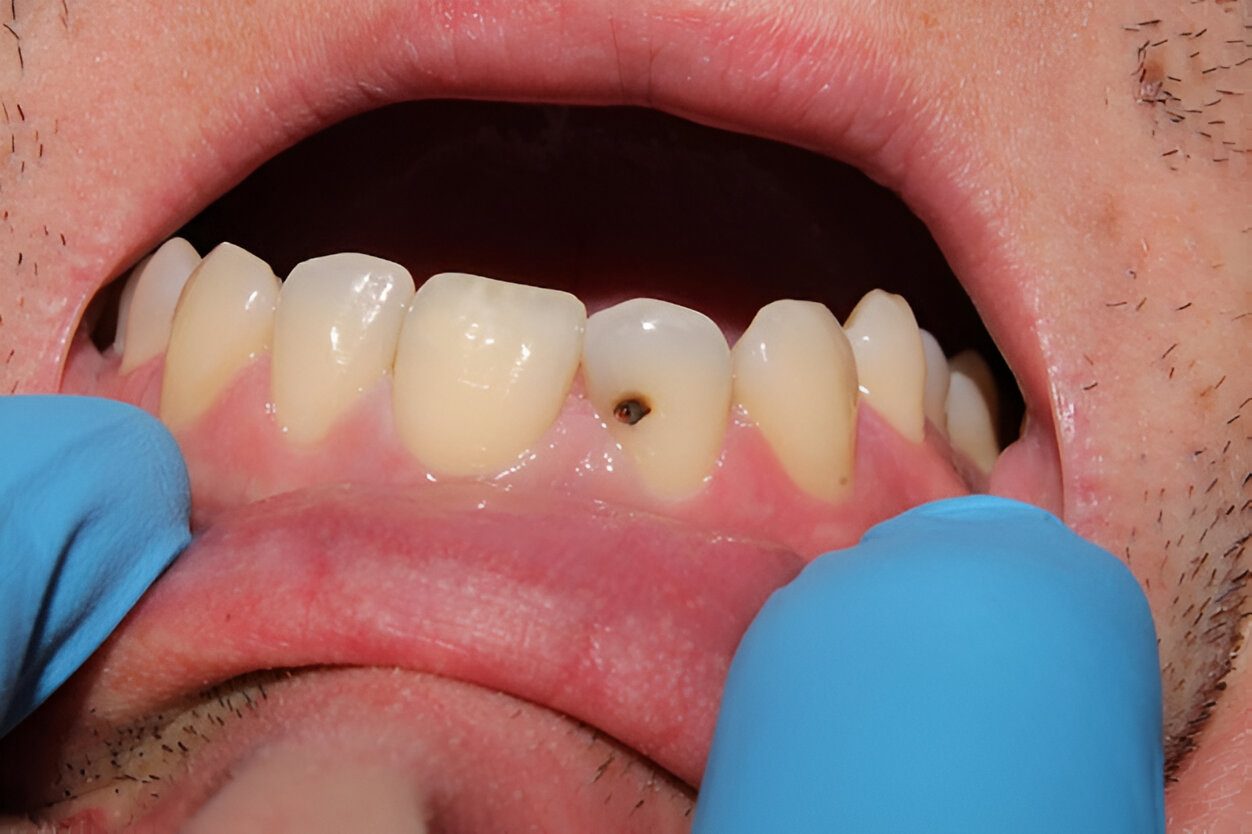
Notice a Black Spot on Your Tooth? You’re Not Alone.It can be a little alarming—you’re brushing your teeth and suddenly notice a small black spot on your tooth or near your gums. It may be on the side, on your molar, or tucked between teeth, making it hard to see.
Many San Antonio patients come into Hernandez Dental Center with this exact concern. Some are worried it’s a cavity. Others think it’s just a stain. The truth? It could be either.
Let’s walk through the most common causes of black spots on teeth and what to do if you notice one.
What Causes Black Spots on Teeth?
Not every dark mark is a problem—but it’s always worth checking. Here’s what might be behind that black dot:-
1. Cavities (Tooth Decay)
A black spot is often an early sign of a cavity. Decay can start small and painless, especially in hard-to-clean areas like between your teeth or on your back molars.
What to watch for:
- Sensitivity to cold or sweets
- Pain when chewing
- A rough or sticky surface
If it’s caught early, a simple filling is usually sufficient to correct the issue.
2. Tartar or Plaque Buildup
Plaque that’s not brushed away can harden into tartar, especially near the gums. This buildup can turn yellow, brown, or even black over time.
The fix: A professional dental cleaning. We remove tartar and check for any hidden decay underneath.
3. Staining from Food, Drinks, or Tobacco
Dark drinks like coffee, tea, soda, or red wine are known for staining teeth. So is tobacco use. These black or brown stains often accumulate over time and do not come off with regular brushing.
Good to know: Whitening may help, but preventing stains with regular cleanings works best.
4. Old Fillings or Dental Work
Have an old silver filling? Sometimes, the metal can discolour the surrounding tooth, making it look black or grey. This doesn’t always mean there’s a problem, but it’s something we’ll check.
5. Black Spot on the Gums Near a Tooth
Sometimes, what appears to be a black spot on the tooth is actually on the gum. It could be a natural melanin pigment, or a sign of infection or a tooth abscess.
If it’s new or painful, it’s time to see the dentist.

6. Tooth Injury or Trauma
If a tooth was injured—even years ago—it may slowly change colour from the inside. The darkening is your tooth’s way of reacting to nerve damage.
We’ll take an X-ray to see what’s happening inside and recommend the proper treatment.
7. Poor Brushing and Flossing Habits
It’s easy to miss areas like the gumline, back molars, or in between teeth. Over time, this leads to a buildup, staining, and possibly decay—all of which can appear as dark spots.
Quick tip for San Antonio families: Help your kids brush properly until around age 7–8.
What Should You Do About a Black Spot?
It depends on the cause, but the first step is always the same: come in for a quick check-up.
At Hernandez Dental Center, we’ll:
- Take a close look (and an X-ray if needed)
- Clean the area and remove stains if possible.
- Treat any cavities with gentle, tooth-colored fillings.
- Give you simple tips to prevent more spots in the future.
How to Prevent Black Spots on Teeth
You can reduce your risk of black spots by:
- Brushing twice a day with fluoride toothpaste
- Flossing every night
- Limiting sugary drinks and snacks
- Drinking water after coffee or soda
- Visiting your dentist every 6 months for a cleaning
Frequently Asked Questions About Black Spots on Teeth
Can a black spot on my tooth go away on its own?
Not usually. If it’s just a surface stain, professional cleaning can help remove it. But if it’s tooth decay or tartar, it needs dental treatment.
Is a black spot always a cavity?
No, not always. It could be a stain, tartar, or even a harmless pigment—but only a dentist can say for sure after a quick check-up or X-ray.
How do I know if the black spot is serious?
If it’s growing, feels rough, or causes pain or sensitivity, it may be a sign of decay. Even if it doesn’t hurt, it’s a good idea to have it checked.
Can black spots form between teeth?
Yes. The area between teeth is a shared place for early decay or tartar to form, especially if flossing is skipped.
What causes black spots near the gums?
These can be tartar, food stains, or, in some cases, infection. It can also be a result of melanin pigmentation, especially in patients with darker skin.
Will I need a filling?
Only if the black spot is caused by decay, surface stains, or tartar can it often be removed during a regular cleaning.
How can I prevent black spots on my teeth?
- Brush twice a day with fluoride toothpaste.
- Floss every night
- Limit sugary snacks and drinks.
- Rinse your mouth after coffee or soda.
- Get dental cleanings every 6 months.
Can kids get black spots on their teeth, too?
Yes. Children often develop them due to poor brushing habits, consumption of sugary drinks, or early cavities. We offer gentle pediatric care to handle it early.
Is it normal to have black in between teeth?
No, it’s not considered normal. It usually means plaque, tartar, or staining has built up, or that decay may be forming. Even if it doesn’t hurt, it’s a sign your teeth need attention.
Why do I have a black spot in between my teeth?
The most common causes are tooth decay, tartar buildup, or deep staining from substances such as coffee, tea, or tobacco. These tight spaces are hard to clean, which is why flossing is so important.
Are black stains on teeth permanent?
Not always. Surface stains can often be removed with a professional cleaning or whitening. But if the stain is deep in the enamel or caused by decay, it may need dental treatment.
Can salt remove black stains on teeth?
Salt may help remove surface debris, but it won’t remove true stains or decay.
Scrubbing with salt isn’t recommended—it can damage your enamel. It’s best to let your dentist safely clean or whiten your teeth.
In Conclusion: Don’t Ignore the Signs
A black spot on your tooth might seem small, but it could be your tooth’s early warning sign. Whether it’s a simple stain or something that requires treatment, getting it checked early is the best way to avoid pain, protect your smile, and save time and money in the long run.
At Hernandez Dental Center, we’ve helped hundreds of San Antonio patients identify and treat issues like this before they become bigger problems.We keep things simple, explain everything clearly, and treat every patient with the care we’d want for our own families. Reach out to Hernandez Dental Center if you need help.